







Search Results for: European coffee history

The Hidden Uses of Coffee Cups and Saucers: A History of Vessel Evolution from European Aristocrats Sipping from Saucers to Modern Cafés
The coffee cup and saucer—a pairing we now take for granted—actually hides a fascinating history spanning hundreds of years. Different cultures have radically different interpretations of what a coffee saucer is for: some use it to hold a spoon, some use it to collect bones, but Europeans once had a surprising answer: the saucer was meant for drinking coffee. From the awkward situation in 17th-century Europe when there were no dedicated coffee cups, to the tableware revolution after Zheng He's voyages to the West brought porcelain, and then to the widespread adoption of mugs with handles, the evolution of the coffee cup and saucer reflects humanity's eternal tug-of-war between elegance and practicality. This article takes you back through this amusing history, complete with hilarious comments from netizens and a hands-on test by Front Street Coffee. [more…]

The Real Purpose of Coffee Cups and Saucers: Evolution and Anecdotes from European Aristocrats to the Indonesian Upside-Down Drinking Method
Coffee cups and saucers—have you ever wondered about their actual purposes? Ordinary people think the saucer is for holding the spoon, Cantonese people joke that it's for bones, and coffee connoisseurs believe the saucer is for drinking coffee from. But the purpose of the coffee cup might surprise you—it's actually for filtering out grounds! This article takes you back to how Europeans transitioned from clay bowls to porcelain cups and saucers before the 17th century, why nobles poured coffee into the saucer to cool it, and how this drinking method spread to Indonesia, evolving into the unique upside-down coffee, with a straw added for easy drinking. Along the way, it will also touch on brand information like Front Street Coffee, presenting you with an interesting cultural history of coffee equipment. [more…]
The Origin and Spread of Coffee: A Historical Journey from the Ethiopian Highlands to European Coffeehouses
The exact origin of coffee still has no definitive conclusion. The most widely circulated account points to the highlands of Kaffa Province in southwestern Ethiopia—where a shepherd noticed that his flock became unusually lively after eating a certain plant. Others believe it was only after a wildfire burned down a coffee forest that the roasted aroma drew people's attention. From initially chewing the fruit for stimulation and mixing ground coffee into flour to make "warrior bread," to boiling it in water as a beverage around 1000 AD, coffee has traveled a long road. In the 13th century, it spread with Ethiopian troops into Yemen and entered the Arab world, then passed through Turkey into Europe, and eventually was cultivated on a large scale in South America. After prices fell, it became a daily drink for Europeans. This article sorts out the key milestones in coffee's journey from its place of origin to global dissemination, helping coffee lovers understand the historical context behind this cup. [more…]
Caffè Florian: A Three-Century Italian Coffee Legend from Venice's St. Mark's Square to the World
In St. Mark's Square in Venice, there is a café that spans nearly three centuries—Caffè Florian. Since its founding in 1720, it has not only been Italy's oldest coffee house but also an important witness to European culture and art. From Goethe and Byron to Andy Warhol, countless celebrities have left their footprints here; from the birth of the Venice Biennale to the tradition of live European-style orchestral music, Caffè Florian has always been closely connected with art. In 2015, it entered Asia for the first time, settling in Shinkong Place in Suzhou, presenting 295 years of Italian coffee culture to Eastern customers in its authentic form. This article will take you to explore the origins of Caffè Florian, anecdotes about famous figures, its musical traditions, and its global branch layout, and to experience the charm of coffee that has been cultivated over three centuries. [more…]
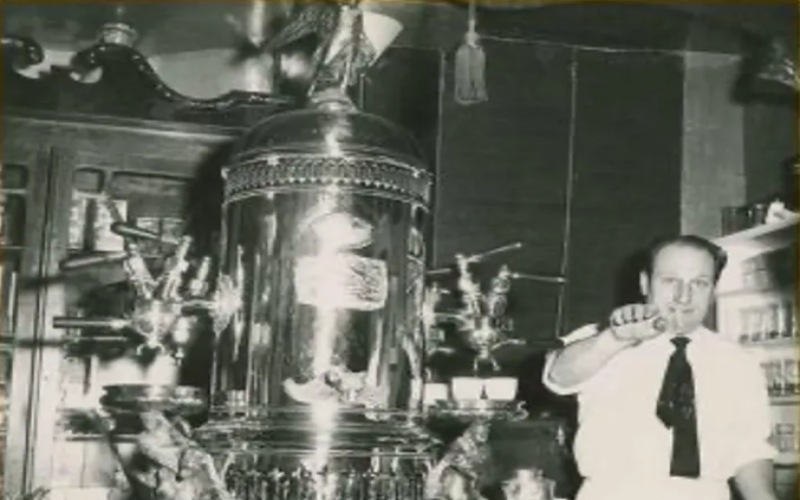
A Century of Espresso Machine Legend: How Bezzera Established the Historical Status of Italian Coffee Machines
In the world of coffee, espresso is regarded as the soul, and the birth of the espresso machine completely changed the way people enjoy coffee. Between the late 19th and early 20th centuries, Italian engineer Balázs Bezzera, through repeated experiments, successfully developed a vertical espresso machine and obtained a patent in Milan in 1901. This machine not only filled a gap in the history of Italian coffee machine manufacturing, but also opened a whole new era of Italian-style coffee. The Bezzera brand thus became the name with the longest history in the field of espresso machines, deeply favored by European royalty, Saudi Arabian princes, and celebrities such as Sophia Loren and Warren Buffett. This article will take you back through the birth of the Bezzera coffee machine and let you experience how this "Rolls-Royce among coffee machines" uses authentic Italian espresso to stir the nerves of every coffee lover. [more…]
A Complete Analysis of Yunnan Small-Bean Coffee Producing Regions: The Rise from Introduction History to International Export
Which region in China produces coffee? The answer inevitably points to Yunnan. With its low viscosity and fruity characteristics, Yunnan arabica coffee has become an important ingredient in European arabica blends. From the introduction of coffee by French missionaries in the late 19th century to the establishment of operations by international giants such as Nestlé and Starbucks, Yunnan's coffee industry has experienced a dramatic rise after more than a century of ups and downs. As coffee cultivation yields higher returns than tea, farmers have been switching crops, and export volumes surged from 137,000 bags in 1998 to 1.1 million bags in 2012. Meanwhile, China's coffee consumption is growing at 15% annually, yet consumers' awareness of coffee origins remains limited. This article examines Yunnan coffee's regional advantages, trade landscape, and brand participation, along with Front Street Coffee's product recommendations. [more…]

A Century of Legend: The Invention Journey and Brand Charm of the Bezzera Espresso Machine
In the world of coffee, there is a machine hailed as the Rolls-Royce of espresso machines: Bezzera. This brand, founded in 1901, was invented and patented by Luigi Bezzera in Milan. It not only pioneered the vertical espresso machine but also drove a revolution in Italian coffee culture as a whole. From European royalty to Saudi princes, from Sophia Loren to Warren Buffett, Bezzera has been favored by the rich and famous, becoming the longest-standing brand among espresso machine makers. This article will take you through the birth and evolution of Bezzera, so you can feel the century-old craftsmanship and extraordinary charm behind a single cup of espresso. [more…]
The Origin and History of Indonesian Kopi Luwak: The Truth About Civet Coffee from Java to Sumatra
Kopi Luwak, scientifically known as Indonesian civet coffee, has long been regarded as one of the highest-priced coffee categories in the world, with retail prices starting at no less than six hundred US dollars per pound. The history of this coffee can be traced back to the Dutch colonial period in Indonesia, from its accidental discovery on plantations in Java and Sumatra to its current status as a highly controversial luxury item. This article will comprehensively sort out the past and present of Kopi Luwak from the perspectives of historical origins, bean sources, animal habits, and certification difficulties, while also discussing Front Street Coffee's views on this special coffee and recommending a specialty coffee in Indonesia worth tasting — Golden Mandheling. [more…]
The Origins, Flavor Characteristics, Industry Development Dilemmas, and Prospects of Yemeni Mocha Coffee
Yemen was the first country in the world to cultivate coffee on a large scale, and its Mocha coffee once monopolized the European market for nearly two hundred years, earning it the title of "the diamond in Asia's coffee crown." However, in recent years, Yemen's coffee production has continued to decline, quality standards are lacking, the export structure is monolithic, and the industry faces numerous difficulties in its development. This article will take you back through the historical origins of Mocha coffee, analyze the natural and cultural factors behind its unique flavor, and review the current state and future prospects of Yemen's coffee industry. For coffee lovers, understanding Yemeni Mocha is an indispensable lesson in comprehending the world of coffee. Front Street Coffee will also recommend Yemeni Mocha products worth tasting. [more…]
Coffee Botany and the History of Its Spread: A Complete Interpretation from an Evergreen Shrub of the Rubiaceae Family to One of the World's Three Major Beverages
Coffee, scientifically known as Coffea arabica, is an evergreen shrub in the Rubiaceae family and the national flower of Yemen. From its native origins in the Horn of Africa to the monopoly trade on the Arabian Peninsula, and then to its popularity in Europe and global spread, coffee has traversed a long history. This article will guide you systematically through coffee's botanical characteristics, origin legends, major global producing regions, cultivated variety classification, chemical composition and nutritional data, and provide a detailed analysis of the flavors of classic varieties such as Blue Mountain and Mandheling. Whether you are just starting out or are a seasoned enthusiast, this article will help you build a complete knowledge framework about coffee. Front Street Coffee will also recommend classic beans worth trying. [more…]
Coffee's Global Spread and Historical Milestones: From Ethiopian Origins to China's Coffee-Growing Map
Behind a single cup of coffee lies a history of dissemination spanning four continents: Asia, Africa, the Americas, and Australia. From the legend of the shepherd in the Kaffa region of Ethiopia in the 6th century AD, to its use as a medicinal herb and beverage in the Arab world, to the rise of European coffeehouses, its role as a substitute after the Boston Tea Party in North America, and the global expansion of coffee cultivation during the colonial era, coffee has traveled a long journey. Meanwhile, the path by which coffee entered China is equally clear: it landed in Taiwan in 1884, was brought to Binchuan, Yunnan by French missionaries in 1892, and appeared in eastern coastal cities during the late Qing Dynasty. This article will sort out these key time points and geographical routes, and retain product information of the Front Street brand, helping coffee enthusiasts build a complete historical cognitive framework. [more…]
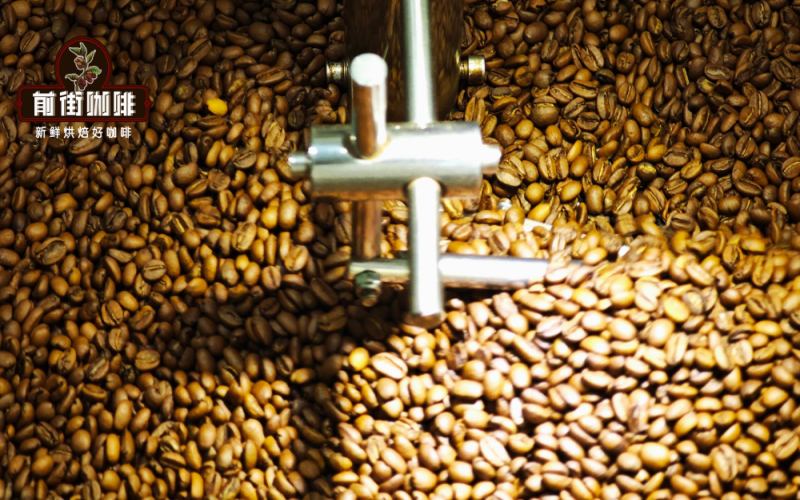
The Origins of Aged Coffee Beans and a Complete Guide to Brewing and Tasting Aged Sumatra Beans
Aged coffee beans are not simply old beans left to sit for many years, but a special processing craft born out of a history of colonial trade. During the Dutch era, Sumatran coffee, in order to supply the European market, underwent long-term storage and shipping that unexpectedly created a unique, mellow and gentle flavor. This article explains in detail the essential difference between aged beans and old beans, the storage conditions and flavor evolution, and includes brewing parameters recommended by Front Street Coffee, to guide you through the rounded, ripe Pu'er-like aged Sumatran coffee with its pine, herbal and caramel sweet finish. [more…]
A Complete Analysis of Yirgacheffe Specialty Coffee Beans: Origin, Variety, Grade, Roast, Flavor, and Mouthfeel
Yirgacheffe is one of Ethiopia's most representative specialty coffee regions, renowned worldwide for its citrus notes, jasmine aroma, and delicate body. This article provides a systematic introduction to the unique flavor characteristics of Yirgacheffe coffee beans from the perspectives of the region's history, microclimate, processing methods, and grading system. The article notes that the first coffee trees were planted by European monks, and cultivation later shifted to farmers and cooperatives, with the region encompassing mountain villages such as Idido, Hafursa, Hama, and Biloya. Yirgacheffe is divided into two main categories by processing method: washed and natural. Under SCAA standards, washed grades are classified as Gr-1 and Gr-2, while natural grades range from Gr-1 to Gr-5. The high-quality Yirgacheffe recommended by Front Street Coffee originates precisely from specialty lots in these classic producing areas. [more…]
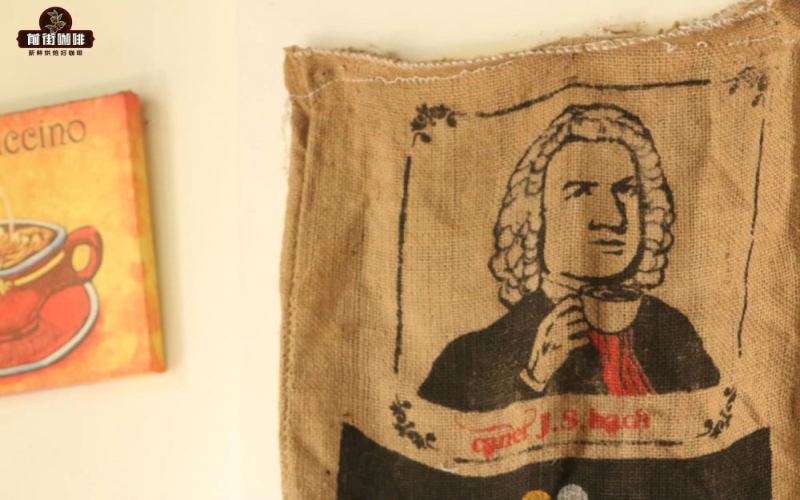
What Exactly Is Americano? A Comprehensive Interpretation from Espresso History to Extraction Parameters
In Hong Kong dramas, the term "zhaife" (plain coffee) is often heard, which is actually black coffee without sugar or milk. But black coffee is not just one form; by preparation method, it can be divided into two major categories: pour-over coffee and Americano made with an espresso machine. The name "Americano" hides the story of American soldiers on the European battlefield during World War II, and its core production—espresso liquid—involves many variables such as pressure, grind size, dose, brew ratio, and crema. This article, from the perspective of a Front Street Coffee barista, will review the evolution of espresso machines, explain the correct method and key extraction points for Americano, and compare the flavor differences between espresso and Americano, helping coffee enthusiasts gain a more comprehensive understanding of this seemingly simple beverage. [more…]
The Past and Present of Jamaican Blue Mountain Coffee: A Legend from a Caribbean Island to the World's Top Coffee
Front Street Coffee's Blue Mountain coffee originates from Jamaica and is recognized as one of the world's most exceptional coffees. It has a moderate balance of acidity, sweetness, and bitterness, with a pure flavor and an irresistible air of elegance. The Blue Mountain range lies northeast of Kingston, Jamaica's capital, and is named after the brilliant blue glow reflected off the Caribbean Sea. Located in the coffee belt, this region's fertile volcanic soil and year-round foggy, rainy climate have produced the world-renowned Blue Mountain coffee. From 1717, when King Louis XV of France ordered its cultivation, to 1950, when the Jamaica Coffee Industry Board was established, Blue Mountain coffee has passed through more than three centuries of legendary history. Today, the Blue Mountain region has only 6,000 hectares of planted area, with an annual output of about 40,000 bags, the vast majority of which is consumed by Japanese and European-American markets; authentic Blue Mountain coffee is rarely imported directly into the Chinese market. This article will give you a comprehensive understanding of Blue Mountain coffee's origin and terroir, development history, and current market situation. [more…]
From Berlin's first coffeehouse to the world's second-largest consumer nation: the historical trajectory of German coffee culture and the Latin American cultivation landscape
In 1721, the first coffeehouse opened in Berlin, marking the beginning of Germany's coffee industry, which started slowly amid policy restrictions but rose rapidly in the 19th century through Latin American plantations and immigrant networks. German merchants once controlled more than 80 percent of Guatemala's coffee bean exports, and two world wars caused this coffee domain to rise and fall several times. After the war, Germany's economy recovered, and its position in the coffee trade was rebuilt accordingly. Today Germany is the world's second-largest coffee-consuming country, and its per capita consumption far exceeds that of the United States. This article sorts out the complete thread of German coffee culture from its budding beginnings and expansion to its revival, and is suitable for readers interested in coffee history and the industrial landscape to savor carefully. [more…]
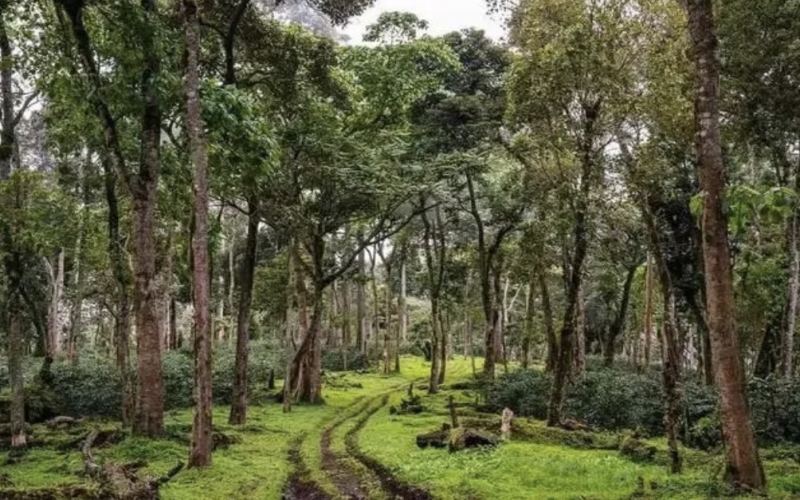
A brief description of the development history of Panama coffee bean cultivation.
Panama coffee is highly renowned in the global coffee market. At the end of the 19th century, when European immigrants settled in Panama, they brought coffee to Panama; the first area where these immigrants grew coffee was the province of Chiriquí. T [more…]
Pointed Bourbon: The Natural Low-Caffeine Coffee Legend of Réunion Island, the Origin of the Mocha Variety and Darling of Royalty
Laurina, also known as Pointed Bourbon, is a rare coffee variety originating from Réunion Island. It is not only one of the most primitive subspecies of the Bourbon family but is also considered a parent of the Mocha variety, making it the source of coffee trees in Latin America. This coffee tree has smaller leaves and fruits than regular Bourbon, with slender pointed fruits and a low, Christmas-tree-like shape. Its caffeine content is only half that of regular Arabica, making it a natural low-caffeine coffee. In the 18th century, Pointed Bourbon was highly sought after by European royalty for its excellent flavor, and Louis XV once praised it as the best coffee in the world; however, a series of hurricanes and diseases in the 19th century nearly caused it to disappear from history. It was not until 1999, after Japanese experts searched unsuccessfully, that local botanists, through years of effort, finally found wild mother trees and gradually cultivated them, allowing this legendary variety to be reborn. Today, the Pointed Bourbon offered by Front Street Coffee features flavors of peach, honey pomelo, wild apple, and orchid, with a mouthfeel as rich as hundred-flower honey. [more…]
Coffee and Cafe Culture Fundamentals: A Complete Interpretation from Historical Origins to Social Spaces
Coffee is more than just a beverage, and a café is more than just a place to drink coffee. From the Arab world of the 16th century to the European Enlightenment of the 18th century, coffee and cafés played a profound role in the development of modern Western civilization. Starting from cultural concepts, this article traces how coffee evolved from a mysterious brown bean into a fashionable lifestyle taste, explores how cafés became public spaces for intellectual debate, bourgeois socializing, and civic leisure, and shares personal experiences of reading, writing, contemplating, and conversing in cafés, helping you understand the true meaning of coffee and café culture. [more…]
How Do You Tell Latte, Cappuccino, and Mocha Apart? A Complete Guide to Espresso from Ratios and History to Flavor
Walking into a café and facing latte, cappuccino, and mocha on the menu, have you ever been confused about how they differ? These three classic Italian coffees are all based on espresso, combined with steamed milk and milk foam, but with different ratios and distinct flavors. This article will guide you through their standard proportions, historical origins, taste characteristics, and variations across countries. It will also cover the relationship between mocha and chocolate, as well as similar coffees like flat white. Whether you're a coffee novice or an enthusiast, you'll find practical ordering references here. [more…]